



India
From the Taj Mahal and the forts of Rajasthan to the Kerala backwaters and the high Himalaya, India offers a lifetime of journeys in one country.
India is less a single country than a collection of worlds, each with its own food, faith, language and landscape. A trip to India can take you from Mughal tombs and Rajput forts to the high deserts of the Himalaya, the backwaters of Kerala and the ghats of the Ganges in a matter of weeks. India tours work best when they are planned around what you want to feel and see, rather than trying to cover everything. This guide explains where to go, the best time to visit India, how long to allow and how to get around safely.
Where to go in India
Most first visits start in the north, where the great Mughal and Rajput monuments sit within a few hours of each other. Later trips often head south to Kerala, east to the Ganges or north into the mountains. These are the regions we plan most often.
Delhi, Agra and the Golden Triangle
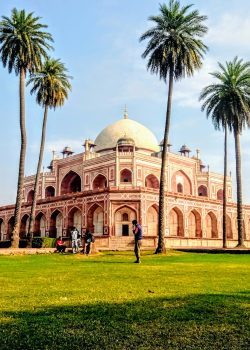
The classic introduction links Delhi, Agra and Jaipur. Delhi mixes the lanes of Old Delhi with wide avenues, gardens and three UNESCO World Heritage Sites: the Red Fort, Qutb Minar and Humayun’s Tomb. In Agra, the Taj Mahal and Agra Fort sit on the banks of the Yamuna, with the abandoned Mughal city of Fatehpur Sikri on the road towards Rajasthan. Jaipur, the pink-washed capital of Rajasthan, adds Amber Fort, the City Palace and its colourful bazaars.
Rajasthan beyond Jaipur
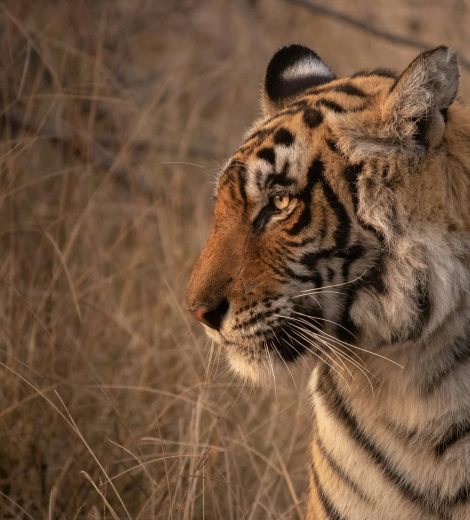
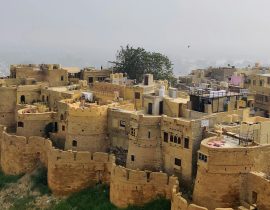
West and south of Jaipur, Rajasthan opens into a land of desert forts and lake palaces. Jodhpur sits beneath the walls of Mehrangarh Fort, with the old blue-painted houses spread below. Udaipur is built around lakes, with palaces reflected in the water and the Aravalli hills behind. Far to the west, Jaisalmer rises from the Thar Desert in golden sandstone, and evenings among the dunes are part of the appeal. For wildlife, Ranthambore is one of the best-known tiger reserves in India, although sightings depend on luck and season.
Varanasi and the Ganges
Varanasi is one of the oldest continuously inhabited cities in the world and among the holiest places in Hinduism. Life here faces the river: pilgrims bathe at dawn, boats drift past the ghats, and the evening aarti ceremony fills the riverbank with lamps, bells and chanting. Nearby Sarnath, where the Buddha is said to have given his first sermon, makes a quiet half-day outing.
Kerala and Goa
In the far south, the Kerala backwaters are a network of lagoons, canals and rice fields best explored slowly by houseboat or canoe. Kerala also offers tea and spice country in the Western Ghats, the old port of Kochi and quiet beaches. Further up the west coast, Goa combines beaches with whitewashed churches and Portuguese-era houses, and works well as a restful end to a busy trip.
Ladakh and Darjeeling
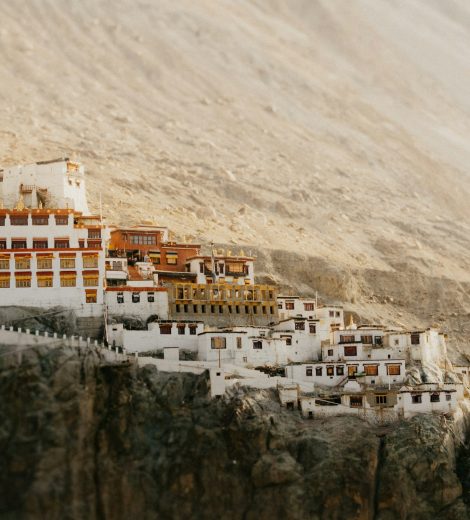
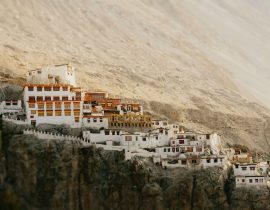
Ladakh is a Union Territory of India in the high Himalaya, a land of Buddhist monasteries, bare mountains and wide valleys. Leh, the main town, sits at around 3,500 metres, so time to acclimatise is essential. In the eastern Himalaya, Darjeeling is a hill town surrounded by tea gardens, with views towards Kangchenjunga on clear mornings and the Darjeeling Himalayan Railway, a UNESCO World Heritage Site, winding up from the plains.
Mumbai
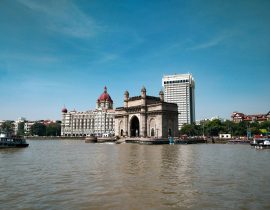
Mumbai is India’s commercial capital and a city of contrasts, from Victorian Gothic railway stations and Art Deco seafronts to busy markets and street-food stalls. It is a natural gateway for western India and for flights to Goa and Kerala.
Best time to visit India
India is large enough that somewhere is in season every month. For most of the north and the south, the cool, dry months from October to March are the most comfortable. From April to June the plains grow very hot, while the mountains come into their own. The monsoon arrives in the south in early summer and spreads north, bringing green landscapes and heavy rain until around September.
| Months | What to expect | Best for |
|---|---|---|
| October to March | Dry, sunny days; warm in the south, cool evenings and cold nights in the north | Delhi, Agra, Rajasthan, Varanasi, Kerala, Goa and tiger reserves |
| April to June | Very hot on the plains; pleasant in the hills before the rains arrive | Darjeeling and the hill stations; early-season Ladakh |
| July to September | Monsoon rain across most of India; lush scenery and fewer visitors | Ladakh, which lies in the rain shadow of the Himalaya |
Festival dates follow the lunar calendar and move each year. If you would like to see Diwali, Holi or a desert fair, tell us when you plan your trip and we will check the dates for you.
How many days do you need in India?
India rewards slow travel. Long drives and busy cities are tiring, so it is better to see fewer places well than to rush between many. Here are some ideas for routes, which we adapt to your interests and pace.
- About 1 week: Delhi, Agra and Jaipur, the classic Golden Triangle, with time for the Taj Mahal at sunrise and the bazaars of Jaipur.
- About 2 weeks: the Golden Triangle followed by Jodhpur and Udaipur, with Ranthambore or Varanasi as an alternative for wildlife or spiritual life.
- 3 weeks or more: combine the north with Kerala’s backwaters and spice hills or a few days on the beach in Goa, or add Ladakh in summer.
Getting around India
Distances in India are large, and the right mix of transport makes a real difference. Domestic flights link the major cities quickly: Delhi to Mumbai takes around two hours in the air, and Delhi to Kochi around three. Fast day trains connect cities such as Delhi and Agra, and overnight trains are an experience in themselves on longer routes.
Within Rajasthan and other regions, travelling by road with your own driver is usually the most flexible option. Roads have improved a great deal, but journeys still take longer than the distance suggests, so we plan drives of a few hours with stops along the way. In Ladakh, flying in to Leh is common, and we build in rest days because of the altitude.
Travelling safely in India
Most visitors travel in India without problems, and a little preparation goes a long way. Use licensed transport and pre-arranged private transfers, especially when you arrive late at night. A local guide helps you navigate crowded sites, explains customs and steers you away from touts.
- Keep valuables out of sight in crowded places and use hotel safes for passports and spare cash.
- Drink bottled or filtered water, choose busy places to eat and ease into spicy food.
- Dress modestly at temples, mosques and gurdwaras, remove your shoes where asked and follow photography rules.
- In Ladakh and the high Himalaya, take the altitude seriously: rest on arrival and speak to a doctor before travelling if you have health concerns.
- Check your government’s official travel advice before you go and take out comprehensive travel insurance.
Some monuments close one day a week, and safari and permit rules in protected areas change from time to time. We confirm the current arrangements when we book.
Why plan your India trip with a local specialist
A specialist who knows India can shape the pace of your trip so that long journeys are balanced with time to rest. We handle the logistics, from trains and domestic flights to safari bookings and permits, and match you with local guides who bring each place to life. You can travel with your own guide and driver where it helps, and adjust the plan as you go.
When you are ready, tell us about your trip and a specialist will put together a tailor-made route for you.
Highlights
- The Taj Mahal at sunrise in Agra
- Desert forts and palaces in Jodhpur, Jaisalmer and Udaipur
- Evening ceremonies on the ghats of Varanasi
- A houseboat journey through the Kerala backwaters
- Buddhist monasteries in the mountains of Ladakh
- Tea gardens and Himalayan views in Darjeeling
- Searching for tigers on safari in Ranthambore
- Beaches and Portuguese-era churches in Goa
When to go & practical information
Best time to visit: October to March is the best time for most of India, including Rajasthan, the Golden Triangle, Varanasi, Kerala and Goa. April to June suits the hill stations such as Darjeeling. July to September is the main season for Ladakh, while most of the country has monsoon rain.
Climate: The plains can be very hot from April to June, and the monsoon brings heavy rain to most regions from around June to September, starting in the south. Ladakh lies at high altitude and stays mostly dry, with cold nights even in summer.
- Currency: Indian rupee. Cards are accepted in cities and hotels, but carry some cash for markets and small purchases.
- Languages: Hindi and English are widely used, alongside many regional languages such as Tamil, Bengali and Malayalam.
- Time zone: India Standard Time (UTC+5:30), across the whole country.
- Getting around: Domestic flights for long distances, trains between major cities, and road travel with your own driver within regions.
- Plugs and power: 230 volts; round-pin sockets are common, so bring a universal adaptor.
- Entry requirements: Check official government sources well before you travel, as rules depend on your nationality and change from time to time.
Destinations in India
Delhi
27 journeys
Agra
19 journeys
Jaipur
15 journeys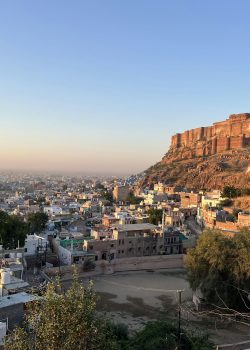
Jodhpur
4 journeys
Udaipur
7 journeys
Jaisalmer
3 journeys
Ranthambore
4 journeys
Varanasi
6 journeys
Kerala Backwaters
9 journeys
Goa
6 journeys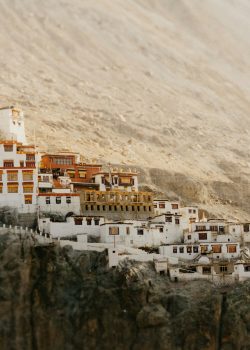
Ladakh
3 journeys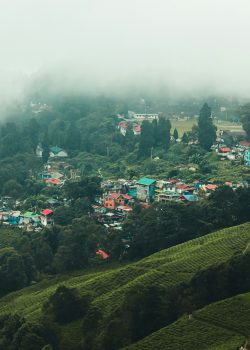
Darjeeling
4 journeys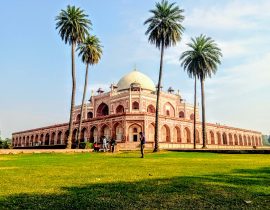



Plan your trip to India
Tell us when you would like to go and what draws you to India. We will suggest a route that fits.
Plan My TripFAQs about India
Have more questions? Contact us.
For most regions, October to March brings dry, sunny weather and comfortable temperatures. April to June is very hot on the plains but good for the hills, while July to September is the monsoon season, when Ladakh is at its best. We can suggest the right regions for the months you have.
A week is enough for Delhi, Agra and Jaipur. Two weeks lets you add more of Rajasthan or Varanasi, and three weeks or more allows you to combine the north with Kerala, Goa or the Himalaya without rushing.
Most visitors travel in India without problems. Pre-arranged transfers, licensed transport and a local guide make things easier, and sensible precautions with valuables, food and water help. Always check your government’s official travel advice before you go.
Cover your shoulders and knees, and carry a light scarf. You will be asked to remove your shoes at most temples, mosques and gurdwaras, and some sites ask you to cover your head or do not allow photography inside.
Entry requirements depend on your nationality and change from time to time. Check official government sources well before you travel, and apply in good time.