Ladakh: Markha Valley Trek
Overview
- Duration: 12 days / 11 nights
- Departures: Private, any date
- Group size: Private, from 2 travellers
- Accommodation: Comfortable hotels in Delhi and Leh; simple village homestays or tented camps on the trek
- Country: India
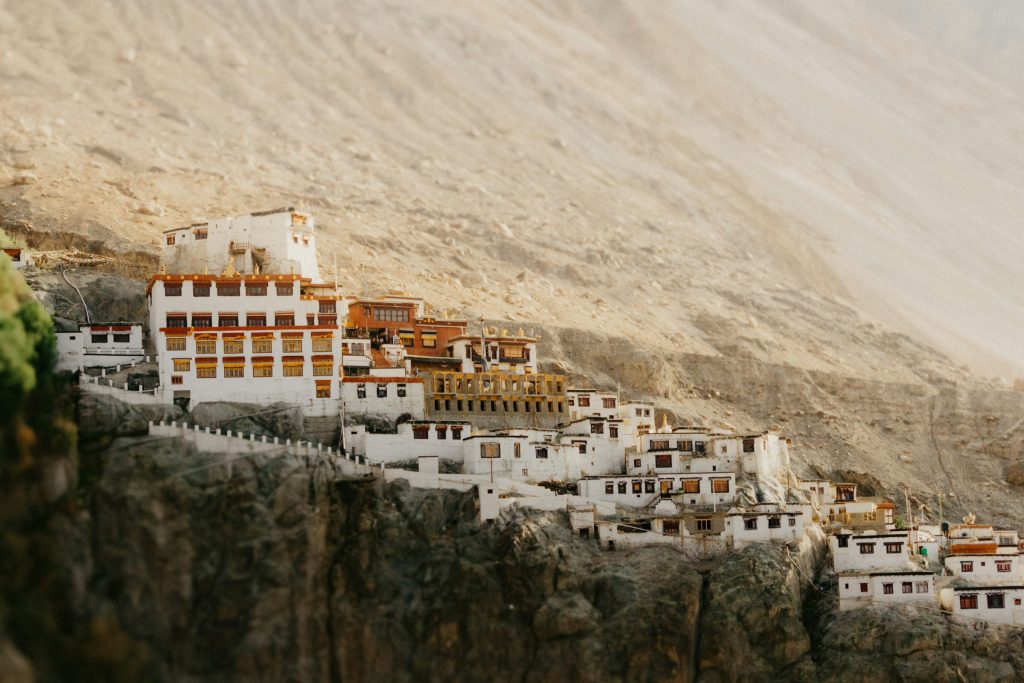
Acclimatise in Leh, then walk through the Markha Valley in Ladakh: barley fields, ruined forts and tiny villages, high pastures at Nimaling and a crossing of the Kongmaru La, with a spare day before you fly back to Delhi.
The Markha Valley is one of the classic treks of Ladakh, and this twelve-day plan suits fit walkers who want real mountain country without technical climbing. You should be used to full days on your feet and be willing to take acclimatisation seriously. In return you get remote villages, wide views and a strong sense of how people live in this high, dry corner of India.
The trip starts with a night in Delhi and three days in Leh: two very easy, one with a short practice walk. The trek then follows the Markha river upstream from near Chilling, through Skiu, Markha and Hankar, before climbing to the summer pastures of Nimaling. A rest day there prepares you for the Kongmaru La, the highest point, and a long descent back to the road. A spare day in Leh guards against delays.
Please read these notes before you decide:
- Altitude: you sleep at around 4,700 metres at Nimaling and cross a pass at around 5,200 metres. Mild headaches are common; your leader watches for anything more serious.
- Simple comforts: homestays and camps are basic, with shared or outdoor toilets and limited washing water.
- River crossings: some are on foot, and water levels rise on warm afternoons.
- Long final day: the pass day takes about seven to eight hours.
We can lengthen the trek, add a cultural tour of Leh afterwards, or plan a gentler version with more homestay nights. Tell us your walking experience and we will shape the trip with you.
Day-by-day itinerary
You are met at Delhi airport and driven to your hotel. There is nothing planned today beyond rest, a good meal and a last check of your kit before the mountains. Pack your trekking gear so that it is easy to reach, as tomorrow’s flight leaves early and Leh is where the real preparation begins.
Overnight: Delhi
An early flight of about an hour and a half lifts you over the Himalaya to Leh, at around 3,500 metres. However fit you are, the thin air needs respect, so spend today resting in your room or garden. Drink plenty of water, eat lightly and avoid alcohol. Your trek leader visits in the evening to introduce the route and answer questions.
Overnight: Leh · Meals: Breakfast
Keep things slow on your second day. Walk with your guide through the old quarter of Leh, past prayer wheels and whitewashed chortens, and climb partway towards the palace only if you feel comfortable. In the afternoon, rest, then drive up to Shanti Stupa for the view over the town. Your leader checks your boots, layers and sleeping bag.
Overnight: Leh · Meals: Breakfast
Today raises the effort a little. Visit Thiksey Monastery early, then take a gentle walk of two or three hours along a trail above the Indus Valley, climbing a few hundred metres before coming back down to sleep in Leh. In the afternoon, stop at Hemis or Shey if you have energy, and pack for the trek ahead.
Overnight: Leh · Meals: Breakfast
Drive about two hours to the Zanskar river near Chilling, where your trek begins. Road works in the lower valley sometimes move the starting point, and your leader will explain the plan. The first walk is short and gentle, following the Markha river through willows to the village of Skiu, at around 3,400 metres, where you settle in for the night.
Overnight: Skiu (camp or homestay) · Meals: Breakfast, Lunch, Dinner
A longer day of about six to seven hours along the valley floor, crossing the river several times on bridges or stepping stones. The trail passes small fields, mani walls covered in carved prayers and the odd herders’ shelter. Markha, the largest village in the valley, has a small monastery and a ruined fort above the houses, at around 3,700 metres.
Overnight: Markha (camp or homestay) · Meals: Breakfast, Lunch, Dinner
The valley narrows and the scenery grows wilder as you climb gently towards Hankar, about five to six hours away. Look up to see Tacha Monastery clinging to a cliff, and watch for the snow peak of Kang Yatse appearing ahead. Hankar, at around 4,000 metres, has the ruins of a fort perched on a ridge behind the village.
Overnight: Hankar (camp or homestay) · Meals: Breakfast, Lunch, Dinner
Climb steadily out of the valley onto high, open ground. The path passes small lakes and summer grazing land before reaching Nimaling, a wide plateau at around 4,700 metres where herders bring yaks, sheep and goats in summer. The walk takes about four to five hours. Kang Yatse fills the view, and the evening is cold, so layer up early.
Overnight: Nimaling (camp) · Meals: Breakfast, Lunch, Dinner
A day at Nimaling helps your body adjust before the pass. If you feel well, your guide leads a short walk higher up towards a viewpoint below Kang Yatse and back, which aids acclimatisation. Otherwise, stay near camp, watch the herders at work and rest. This day also gives the plan room if the weather turns, so the crossing can wait.
Overnight: Nimaling (camp) · Meals: Breakfast, Lunch, Dinner
Start early for the climb to the Kongmaru La, at around 5,200 metres, the highest point of the trek. On a clear morning you look out over row after row of bare ridges and distant snow peaks. A long, steep descent follows through a narrow red-rock gorge to Chokdo, about seven to eight hours in all, where your driver waits to take you back to Leh.
Overnight: Leh · Meals: Breakfast, Lunch
This day is held in reserve. If weather or a slow walker has delayed the trek, it absorbs the change; if not, it is yours to enjoy. Sleep late, have a long breakfast, wander the bazaar for apricots and pashmina, or sit in a rooftop café with views of the palace. Your guide is on hand if you want to see a monastery you missed.
Overnight: Leh · Meals: Breakfast
Your driver takes you to Leh airport for the flight to Delhi. Because mountain flights depend on the weather, we recommend an onward flight later in the day, or an extra night in Delhi, which we can add. In Delhi, you are met and taken to the international terminal or your hotel. End of your trip.
Overnight: — · Meals: Breakfast
What’s included
- Hotel accommodation with breakfast in Delhi and Leh
- Camps or village homestays on the trek, with breakfast, lunch and dinner
- Experienced local trek leader, plus cooks and pack animals or porters on the trek
- Private airport and hotel transfers, and a private car and driver in Ladakh
- Domestic flights between Delhi and Leh, as in the itinerary
- Trekking permits and protected-area fees for the route (we arrange them)
- Entrance fees to the monasteries in the itinerary
- 24/7 support during your trip
Not included
- International flights
- Visas
- Travel insurance that covers trekking at high altitude
- Personal trekking gear, such as boots and a warm sleeping bag
- Meals not listed
- Tips for your guide and trek crew
- Personal expenses
Good to know
Sample itinerary: we adapt the route, hotels and dates to you and confirm everything in your written quote. Best late June to mid-September.
You fly between Delhi and Leh, about an hour and a half each way. Flights depend on mountain weather, so the trip includes a spare day in Leh before your flight home. In Ladakh, a private car takes you to the start and from the end of the trek, about two hours each way. On the trek itself you walk, while pack animals or porters carry the main luggage and camping gear.
Frequently asked questions
It is a moderate trek with days of about four to eight hours on clear paths, several river crossings and one high pass at around 5,200 metres. You do not need climbing skills, but you should be a regular walker and comfortable with long days. Altitude is the main challenge, which is why the route builds in time to adjust.
Both are possible. Villages in the lower valley offer simple homestays, where you sleep in a family house and eat local food, while Nimaling is usually a camp. We suggest the mix that suits you and the season, and confirm it in your quote.
The trek runs through a national park, and fees and permits apply to visitors. The rules change from time to time, so we arrange everything and confirm the current requirements when we book.
Late June to mid-September is the usual season, with the Kongmaru La normally free of snow and river crossings easier later in summer. Nights are cold at any time. Our Ladakh guide has more on the seasons.