
Maldives
Coral atolls, clear lagoons and reefs full of life: the Maldives offers stays on resort islands or local islands, and pairs easily with Sri Lanka or India.
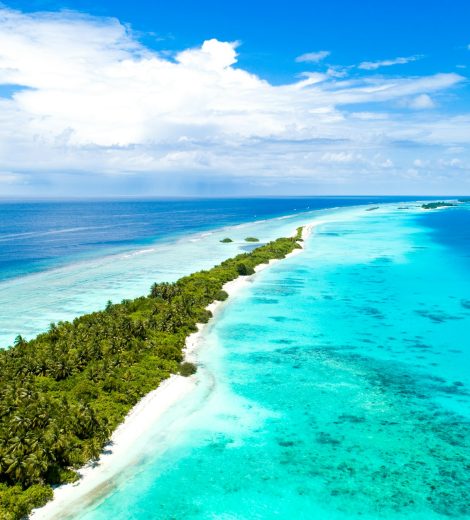
The Maldives is a chain of low coral atolls in the Indian Ocean, south-west of Sri Lanka and India, made up of more than a thousand small islands surrounded by reefs and lagoons. A trip to the Maldives is about clear water, white sand and some of the richest reef life you can reach on a snorkel. Maldives tours can mean a stay on a private resort island or time on local islands where Maldivians live, and many travellers combine both or add a few days in Sri Lanka or India. This guide explains your options, the best time to visit the Maldives and how to plan the journey.
Where to go in the Maldives
The atolls differ more in distance from the airport and in marine life than in scenery. Your choice depends on how you want to travel there, what you would like to see underwater and whether you prefer a resort or a local island.
Malé
Malé, the capital, is a compact island city a short boat ride from the main international airport. Most visitors pass straight through, but a few hours here show a side of the Maldives that many miss: the old coral-stone Friday Mosque, the fish market where the morning catch comes in, and busy streets full of shops and cafés. It also makes a practical stop if you arrive late or leave early.
North and South Malé Atolls
The atolls closest to the airport are reached by speedboat, often in under an hour, which keeps transfers simple. They have a wide choice of resorts and several local islands with guesthouses, and channels between the reefs offer good diving and snorkelling. They suit shorter stays and travellers arriving on late flights.
Ari Atoll
West of Malé, Ari Atoll is one of the best-known areas for marine life. The south of the atoll is known for whale sharks, and manta rays visit cleaning stations on the reefs, although sightings depend on luck and season. It is reached by seaplane, domestic flight and boat, or by speedboat to some islands.
Baa Atoll
To the north, Baa Atoll is a UNESCO Biosphere Reserve, with reefs and lagoons that attract manta rays in the wetter months, when plankton gathers in certain bays. Visits to the most sensitive sites are managed to protect the wildlife, and the rules can change, so we check them when we plan.
Further atolls
Atolls further north and south are quieter and reached by domestic flight and boat, or by seaplane. They suit travellers who want a more remote feel and do not mind a longer journey.
Resort islands or local islands?
There are two main ways to stay in the Maldives, and each suits a different kind of trip.
Resort islands usually have a single resort on their own island, with rooms on the beach or over the water, a house reef for snorkelling, and dive centres, spas and restaurants on site. They offer privacy and ease, and they work well for couples, honeymoons and families who want everything in one place. Resorts vary widely in style, from relaxed barefoot islands to larger places with children’s clubs or quiet, adults-focused settings, so it is worth matching the island to the way you like to spend your days.
Local islands are where Maldivians live, and many now have small guesthouses and hotels. Staying on one, you see daily island life, eat local food such as fish curry and tuna snacks, and take boat trips to sandbanks and reefs. The Maldives is a Muslim country, and local islands have their own customs: modest dress in villages, set beach areas for swimwear, and no alcohol. Rules differ from island to island and can change, so we confirm the current arrangements when we book.
Many travellers combine the two, spending a few nights on a local island before moving to a resort. Either way, the reefs and the sea are the main attraction.
Best time to visit the Maldives
The Maldives is warm all year. The drier north-east monsoon season runs from around December to April, with calm seas and plenty of sunshine. From around May to November the south-west monsoon brings more cloud, wind and showers, often in short bursts, and this is also a good season for some marine life.
| Months | What to expect | Best for |
|---|---|---|
| December to April | Drier, sunnier and calmer, with good visibility underwater | Beach time, snorkelling and diving |
| May to August | More cloud, wind and rain showers, with sunny spells between | Manta rays in some atolls and quieter islands |
| September to November | Changeable, with showers easing towards the end of the year | Flexible travellers and combined trips with Sri Lanka or India |
How many days do you need in the Maldives?
Because international flights can be long and transfers take time, it helps to allow enough nights to slow down. These are some ideas.
- 3 to 4 nights: a short beach break at the end of a trip to Sri Lanka or southern India, ideally on an atoll close to the airport.
- About 1 week: enough time to settle into a resort or split your stay between a local island and a resort.
- 10 nights or more: combine two islands in different atolls for more variety underwater.
Combining the Maldives with Sri Lanka or India
The Maldives makes a natural ending to a journey through its neighbours. Sri Lanka is about an hour and a half away by air from Colombo, so a trip might combine the Cultural Triangle, Kandy and the hill country with a week on the islands. From India, there are flights from several cities, and the south is especially close: a tour of Kerala’s backwaters and spice hills followed by time on a reef works well. We arrange the connections so that you arrive rested.
Getting around the Maldives
Almost all international flights arrive at the main airport near Malé. From there, your island is reached by speedboat, seaplane or domestic flight followed by a boat, depending on the atoll. Seaplanes fly only in daylight, so if you land late you may spend your first night near the airport. Public and shared ferries link some local islands, but timetables are limited and private transfers are often simpler.
Travelling safely in the Maldives
The Maldives is a relaxed place to travel, and most practical points relate to the sea and the sun.
- Snorkel and swim with a buddy, follow local advice on currents and use the guided reef trips offered on your island.
- Use reef-safe sun cream, cover up in the midday sun and drink plenty of water.
- Do not touch coral or marine life, and keep a respectful distance from turtles, rays and sharks.
- On local islands, dress modestly away from the beach and respect local customs.
- Check your government’s official travel advice before you go and take out comprehensive travel insurance.
Why plan your Maldives trip with a local specialist
With so many islands, a specialist helps you choose the right atoll, style of stay and transfer for your budget and interests. We time your flights and transfers carefully, suggest the best combination with Sri Lanka or India and adjust the plan to suit the way you like to travel.
Tell us what you are looking for, and a specialist will plan a tailor-made stay in the Maldives for you.
Highlights
- Snorkelling on house reefs with turtles and reef fish
- Manta rays and whale sharks in Ari and Baa atolls, with luck
- Daily island life and local food on an inhabited island
- A seaplane flight over the atolls
- Boat trips to sandbanks in the middle of the ocean
- The fish market and coral-stone mosque in Malé
- Diving in the channels between the reefs
- An easy beach ending to a trip to Sri Lanka or India
When to go & practical information
Best time to visit: December to April is the best time to visit the Maldives, with dry, sunny weather and calm seas. From around May to November, the south-west monsoon brings more wind, cloud and showers. Conditions vary a little between the northern and southern atolls.
Climate: The Maldives is warm and humid all year, with sea temperatures that suit swimming in every month. The islands are very low-lying, so there is no altitude to consider, but the sun is strong and sun protection is essential.
- Currency: Maldivian rufiyaa. Resorts usually bill in US dollars, and cards are widely accepted on resort islands.
- Languages: Dhivehi is the national language, and English is widely spoken in tourism.
- Time zone: Maldives Time (UTC+5). Some resorts set their clocks differently, so check on arrival.
- Getting around: Speedboats, seaplanes and domestic flights from the main airport near Malé; ferries between some local islands.
- Plugs and power: 230 volts with a mix of socket types, so bring a universal adaptor.
- Entry requirements: Check official government sources well before you travel, as rules depend on your nationality and change from time to time.
Destinations in Maldives

Malé
5 journeys


Plan your trip to Maldives
Tell us when you would like to go and what draws you to Maldives. We will suggest a route that fits.
Plan My TripFAQs about Maldives
Have more questions? Contact us.
December to April is the driest and sunniest period, with calm seas. From around May to November there is more cloud, wind and rain, but showers are often short and it is a good time for some marine life, including manta rays in certain atolls.
Three or four nights works as a short break at the end of a trip to Sri Lanka or India. About a week lets you relax properly or split your time between a local island and a resort, and ten nights or more allows two different atolls.
The Maldives is a relaxed place to visit. Most precautions relate to the sea and the sun: swim with a buddy, follow local advice on currents and protect yourself from the heat. Check your government’s official travel advice before you go.
Resort islands offer privacy and everything on site, while local islands let you experience Maldivian daily life in smaller guesthouses. Local islands have their own customs on dress and alcohol, so many travellers combine a few nights on each.
Depending on the atoll, transfers are by speedboat, seaplane or domestic flight followed by a boat. Seaplanes fly only in daylight, so late arrivals may need a night near the airport. We arrange your transfers as part of your trip.
Yes. Colombo is about an hour and a half away by air, and there are flights from several Indian cities. A tour of the Kerala backwaters or the Sri Lankan hill country followed by time on the islands makes an easy combination.