

Nepal
Temples in the Kathmandu Valley, lakeside Pokhara, wildlife in Chitwan and the trails of the Everest region: Nepal brings culture and the Himalaya together.
Nepal packs an extraordinary range into a small country, from the jungles of the southern lowlands to the highest mountains on earth. A trip to Nepal can combine the temples and courtyards of the Kathmandu Valley, lakeside walks beneath the Annapurnas, a wildlife safari and, if you wish, a trek in the Himalaya. Nepal tours suit travellers who want culture and nature side by side, at whatever level of activity feels right. This guide covers where to go, the best time to visit Nepal, how long to stay and how to travel well.
Hinduism and Buddhism live side by side here, often at the same shrine, and festivals, prayer flags and butter lamps are part of everyday life. You do not have to be a trekker to enjoy the mountains: many of the best views come from comfortable lodges, short hikes or a scenic flight. At the same time, Nepal is one of the world’s great walking destinations, with trails for every level of experience. Food is simple and warming, from dal bhat, the national meal of lentils and rice, to momo dumplings served across the country.
Where to go in Nepal
Most journeys begin in the Kathmandu Valley and then head west to Pokhara, south to the lowlands or north into the mountains. These are the places we plan most often.
Kathmandu and the valley
Kathmandu is the gateway to Nepal and the heart of its culture. The Kathmandu Valley is a UNESCO World Heritage Site, with seven monument zones that include the old royal squares of Kathmandu, Patan and Bhaktapur, the Hindu temple complex of Pashupatinath and the great Buddhist stupas of Boudhanath and Swayambhunath. Beyond the sights, the valley is a place of woodcarving, prayer flags, small shrines on street corners and daily rituals that visitors are welcome to watch respectfully.
Pokhara and the Annapurnas
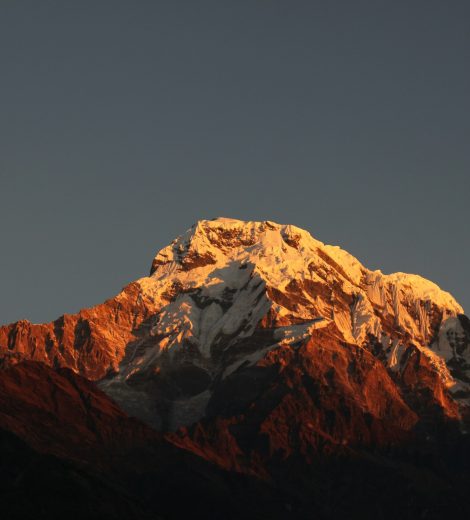
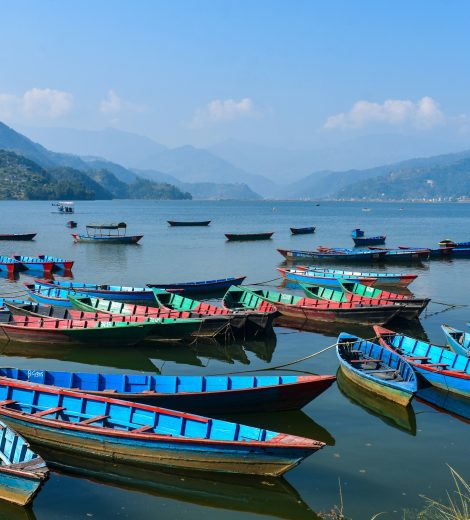
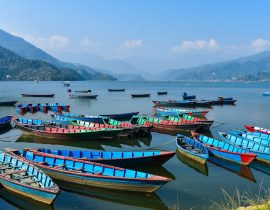
West of Kathmandu, Pokhara sits on the shores of Phewa Lake, with the peaks of the Annapurna range and the distinctive summit of Machhapuchhre rising behind. It is a relaxed base for boating, gentle hikes to hilltop viewpoints and sunrise over the mountains from Sarangkot. Pokhara is also the starting point for many treks in the Annapurna region, from short walks among villages and rhododendron forests to longer routes into the high mountains.
Chitwan National Park
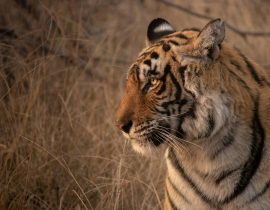
In the lowlands of the south, Chitwan National Park protects grasslands, rivers and forest, and is a UNESCO World Heritage Site. It is home to the greater one-horned rhinoceros, wild elephants, deer, crocodiles and a rich variety of birds, and the Bengal tiger lives here too. Jeep safaris, guided walks and canoe trips along the river give you a chance to see wildlife, although sightings depend on luck and season.
The Everest region
The Everest region, known locally as the Khumbu, lies within Sagarmatha National Park, another UNESCO World Heritage Site. Most visits start with a short mountain flight to Lukla, followed by days of walking through Sherpa villages, past monasteries and over suspension bridges. You do not need to reach Everest Base Camp to enjoy the region: shorter treks to viewpoints above Namche Bazaar give fine views of Everest and its neighbours. Flights to Lukla depend on the weather, so we build spare days into the plan.
Lumbini
In the far south-west, Lumbini is revered as the birthplace of the Buddha and is a UNESCO World Heritage Site. Its sacred garden and the monasteries built by Buddhist communities from many countries make it a peaceful stop for travellers interested in Buddhism, and it fits well with a visit to Chitwan.
Best time to visit Nepal
Nepal has two main travel seasons. Autumn brings clear skies after the monsoon and the best mountain views, while spring is warmer and the rhododendron forests come into flower. Winter is cold in the mountains but often clear, and the summer monsoon brings rain and cloud to most of the country.
| Months | What to expect | Best for |
|---|---|---|
| October and November | Dry, clear and settled after the monsoon, with sharp mountain views | Trekking, Pokhara, Kathmandu and festivals |
| December to February | Cool to cold, often clear; very cold nights at altitude | Kathmandu Valley, Pokhara, Chitwan and lower treks |
| March to May | Warmer days, some haze, rhododendrons in flower | Trekking, Chitwan wildlife and village walks |
| June to September | Monsoon rain, cloud over the peaks and lush green landscapes | Cultural visits in the valley for flexible travellers |
Major festivals such as Dashain and Tihar follow the lunar calendar, so their dates change each year. We can check them for your travel dates.
How many days do you need in Nepal?
Nepal is compact on a map, but mountain roads are slow and weather can change plans. It helps to allow a little more time than you think. These route ideas show what fits into different lengths of trip.
- About 1 week: Kathmandu, Patan and Bhaktapur, followed by Pokhara for lake and mountain views, with time for a short hike.
- About 10 days: the Kathmandu Valley, Pokhara and two or three nights in Chitwan, adding Lumbini if Buddhism interests you.
- 2 weeks or more: a trek in the Annapurna or Everest region, built around a few days in Kathmandu and time to rest afterwards.
Getting around Nepal
Distances are short but travel is slow. The drive from Kathmandu to Pokhara takes most of a day on winding mountain roads, while a flight takes about half an hour. Chitwan is usually reached by road in around five to six hours from Kathmandu, or by a short flight to a nearby airport followed by a drive.
For trips into the mountains, short flights save days of travel, but they depend on clear weather and can be delayed. We always build in buffer days so that a delay does not cause you to miss an international flight. Travelling by road with your own driver gives you flexibility and the chance to stop at villages and viewpoints along the way.
Travelling safely in Nepal
Nepal is a welcoming country, and with sensible planning most visitors travel without difficulty. Pre-arranged private transfers and licensed guides make the journey smoother, particularly in the mountains.
- Respect the altitude. Ascend gradually, include rest days on treks and speak to a doctor before travelling if you have health concerns.
- Trek with a licensed guide, who knows the trails, the weather and the signs of altitude sickness.
- Drink bottled, boiled or treated water, and choose freshly cooked food.
- Keep valuables secure in busy areas, and walk clockwise around stupas and prayer wheels as a sign of respect.
- Make sure your travel insurance covers trekking and high altitude if you plan to walk, and check your government’s official travel advice before you go.
Trekking permits and conservation-area rules in Nepal change from time to time. We confirm the current requirements when we book and arrange the permits you need.
Why plan your Nepal trip with a local specialist
In Nepal, good planning makes the difference between a rushed trip and a relaxed one. A specialist balances cultural visits with time in nature, chooses the right trek for your fitness and season, and builds in the spare days that mountain flights sometimes need. We arrange local guides and porters who know the trails, and your own guide and driver where it helps.
Tell us what you have in mind, and a specialist will plan a tailor-made route through Nepal for you.
Highlights
- The royal squares of Kathmandu, Patan and Bhaktapur
- Sunrise over the Annapurnas from the hills above Pokhara
- Boating on Phewa Lake beneath the mountains
- Looking for rhinos and birds in Chitwan National Park
- Walking through Sherpa villages in the Everest region
- The great stupa of Boudhanath at dusk
- Lumbini, revered as the birthplace of the Buddha
- Short treks and village walks for every level
When to go & practical information
Best time to visit: October and November bring the clearest skies and are the peak season for trekking and sightseeing. March to May is the second main season, with warmer weather and flowering rhododendrons. December to February suits the Kathmandu Valley, Pokhara and Chitwan, while June to September is the monsoon.
Climate: Temperatures fall sharply with altitude: Kathmandu is mild for much of the year, but nights in the high mountains are very cold. The summer monsoon brings heavy rain and cloud, and landslides can affect mountain roads.
- Currency: Nepalese rupee. Cash is useful outside the main towns; cards are accepted in many hotels and larger shops.
- Languages: Nepali is the national language, and English is widely used in tourism.
- Time zone: Nepal Time (UTC+5:45).
- Getting around: Short domestic flights to Pokhara and the mountains, and road travel with your own driver.
- Plugs and power: 230 volts; round-pin sockets are common, so bring a universal adaptor. Power cuts can occur in rural areas.
- Entry requirements: Check official government sources well before you travel, as rules depend on your nationality and change from time to time.
Destinations in Nepal




Plan your trip to Nepal
Tell us when you would like to go and what draws you to Nepal. We will suggest a route that fits.
Plan My TripFAQs about Nepal
Have more questions? Contact us.
October and November are the most popular months, with clear skies and fine mountain views. March to May is also good, with rhododendrons in flower. December to February is cold but often clear, and June to September brings monsoon rain.
A week covers the Kathmandu Valley and Pokhara. About ten days lets you add Chitwan, and two weeks or more allows for a trek in the Annapurna or Everest region with time to spare.
Most visitors travel in Nepal without difficulty. The main things to plan for are altitude, mountain weather and road travel, which is why we use licensed guides and private transfers and build buffer days into mountain trips. Check your government’s official travel advice before you go.
No. Kathmandu, Pokhara and Chitwan need no special fitness, and there are short hikes with mountain views. Multi-day treks call for good walking fitness, and we help you choose a route that matches your experience.
Most trekking areas require permits, and the rules change from time to time. We confirm the current requirements when we book and arrange the permits for you.