
Kathmandu
Royal squares, great stupas and riverside temples make Kathmandu, the capital of Nepal, a living heritage city and the natural start of any Himalayan journey.
Kathmandu is the capital of Nepal and the gateway to the Himalaya, set in a green bowl of a valley at around 1,400 metres. The best things to do in Kathmandu revolve around its living heritage: royal squares full of pagoda temples, great Buddhist stupas, Hindu shrines on the riverbank and craft towns where traditions continue. This Kathmandu travel guide covers the main sights of the valley, the best time to visit Kathmandu and how to fit it into a wider trip.
Why visit Kathmandu?
The Kathmandu Valley was once divided into three small kingdoms, Kathmandu, Patan and Bhaktapur, each ruled by Newar kings who competed to build the finest palaces and temples. Seven groups of monuments across the valley together form the Kathmandu Valley UNESCO World Heritage Site, and you can visit all of them within a short drive of the city.
This is not a museum, though. Temples are in daily use, festivals fill the streets through the year, and Hindu and Buddhist traditions mix closely. Several monuments were damaged in the 2015 earthquake, and restoration work has brought many of them back, so you may see scaffolding at some sites.
Things to do in Kathmandu
Kathmandu Durbar Square
Durbar Square, in the heart of the old city, was the seat of Kathmandu’s kings. It is a cluster of palaces, courtyards and multi-roofed temples, with carved wooden windows and stone statues of gods. Here too is the Kumari Ghar, home of the Kumari, a young girl revered as a living goddess. Wander the lanes nearby, such as the route to Asan, to see old shrines tucked between shops selling spices, brass and cloth.
Patan Durbar Square
Patan, also called Lalitpur, lies just across the Bagmati river and feels calmer than central Kathmandu. Its Durbar Square is one of the finest in the valley, with stone and brick temples crowded together in front of the old royal palace. Part of the palace houses a museum of religious art, well laid out and a good introduction to Nepali bronze and woodwork. Patan is also known for its metalworkers, and side streets lead to quiet Buddhist courtyards.
Bhaktapur
Bhaktapur, about an hour’s drive east of Kathmandu, is the best preserved of the three old royal cities. Traffic is limited in the centre, so you can walk through brick-paved squares, past the tall five-tiered Nyatapola temple and into Pottery Square, where potters shape clay on wheels and set pots to dry in the sun. Try juju dhau, a rich local yoghurt, and consider staying a night to see the town in the quiet of early morning.
Swayambhunath
Swayambhunath stands on a wooded hill west of the city, its white dome and gilded spire painted with the watchful eyes of the Buddha. Often called the Monkey Temple because of the monkeys that live on the hill, it is reached by a long flight of steps. From the top there are wide views across Kathmandu, and the site mixes Buddhist stupas with Hindu shrines.
Boudhanath
Boudhanath is one of the largest stupas in the world and the centre of Tibetan Buddhist life in Kathmandu. Pilgrims walk clockwise around its great white dome, spinning prayer wheels and murmuring mantras, especially in the early morning and at dusk. Monasteries surround the square, and a rooftop café terrace is a good place to watch the circling crowds below.
Pashupatinath
Pashupatinath, on the banks of the Bagmati river, is one of the most sacred Hindu temples dedicated to Shiva. Entry to the main temple is for Hindus only, but visitors can see the riverside ghats from the opposite bank, where cremations take place in the open. It is a deeply moving place, and a guide helps you understand the rituals. Be quiet and respectful, keep a distance, and do not photograph mourners or ceremonies close up.
The character of the valley
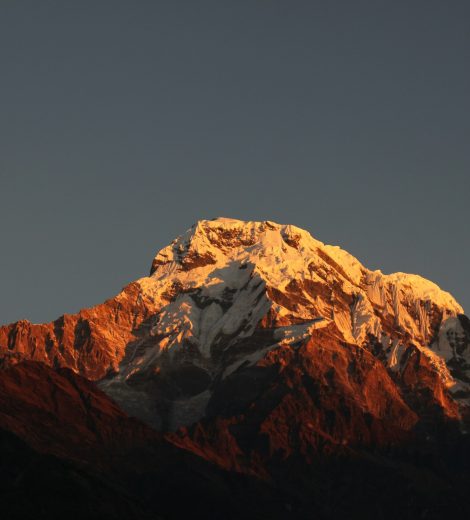
Beyond the monuments, Kathmandu is a place to slow down. Thamel, the busy traveller quarter, is full of shops selling trekking gear, handicrafts and books. Short drives lead to hilltop viewpoints such as Nagarkot, where on clear mornings you can see a long line of Himalayan peaks. On clear days, scenic mountain flights also leave Kathmandu for views of Everest and the high peaks.
Best time to visit Kathmandu
The best time to visit Kathmandu is in autumn, from October to November, when skies are clear after the monsoon and the mountains are often visible. Spring, from March to May, is also pleasant, with warmer days and some haze. Winter is dry and cool, while the monsoon from June to September brings rain, cloud and humidity.
| Months | What to expect | Best for |
|---|---|---|
| October to November | Clear skies, mild days and the main festival season | Sightseeing, mountain views, combining with treks |
| December to February | Dry and sunny by day, cold mornings and nights | Heritage sites with fewer crowds |
| March to May | Warm days, some haze; rhododendrons in the hills | Sightseeing and trekking; warmer weather |
How long to stay and how it fits a trip
Allow three nights to see the main sights of the valley: one day for Kathmandu’s Durbar Square and Swayambhunath, one for Patan and Pashupatinath with Boudhanath at dusk, and one for Bhaktapur. With four or five nights you can add a night in Bhaktapur or at a viewpoint on the valley rim.
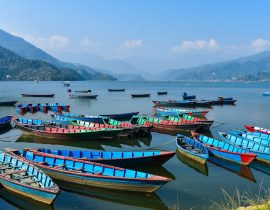
Kathmandu is the starting point for most trips to Nepal. A flight of about 25 minutes, or a drive of about six to seven hours, takes you to Pokhara and the Annapurna views. Chitwan National Park is about five to six hours by road for jungle walks and wildlife, though sightings depend on luck and season. Trekkers fly from Kathmandu towards the Everest region. Kathmandu also pairs well with Varanasi in India or with Bhutan, with flights to Paro.
Tips for visiting Kathmandu
- Walk clockwise around stupas and temples, and remove your shoes before entering shrines.
- Some temples restrict photography or entry; follow the signs and ask your guide.
- Dust and traffic can be heavy, so a light scarf or mask is useful.
- Start early at Boudhanath and the Durbar Squares to enjoy them before the day heats up.
Highlights
- Palaces and pagoda temples in Kathmandu’s Durbar Square
- The temples and art museum of Patan Durbar Square
- Walking the brick-paved squares of Bhaktapur
- Potters at work in Bhaktapur’s Pottery Square
- Views over the city from Swayambhunath, the Monkey Temple
- Circling the great stupa of Boudhanath at dusk
- The sacred riverside temple of Pashupatinath
- Sunrise over the Himalaya from the valley rim
When to go & practical information
Best months: March, April, October, November
Recommended stay: 3–4 nights


Plan your trip to Kathmandu
Tell us when you would like to go and what draws you to Kathmandu. We will suggest a route that fits.
Plan My TripFAQs about Kathmandu
Have more questions? Contact us.
October and November are the best months, with clear skies and good mountain views. March to May is also pleasant but hazier, and winter is dry and cool. The monsoon, from June to September, brings rain and cloud.
Three nights covers the main sights of the Kathmandu Valley at a comfortable pace, including the three Durbar Squares, Swayambhunath, Boudhanath and Pashupatinath. Add a night or two to stay in Bhaktapur or at a viewpoint on the valley rim.
It is made up of seven groups of monuments: the Durbar Squares of Kathmandu, Patan and Bhaktapur, the stupas of Swayambhunath and Boudhanath, and the Hindu temples of Pashupatinath and Changu Narayan. All are within a short drive of the city.
Pashupatinath is a sacred Hindu site where open-air cremations take place. Entry to the main temple is for Hindus only, so visitors watch from the opposite riverbank. Stay quiet and respectful, keep your distance and do not photograph mourners.
A flight to Pokhara takes about 25 minutes, and the drive takes about six to seven hours through hills and river valleys. We arrange the option that suits your plans, with your own driver if you go by road.
Most visits are trouble-free with everyday care. Use licensed transport or a private driver, keep valuables out of sight in crowded areas and drink bottled or filtered water. Check official travel advice before you go.