
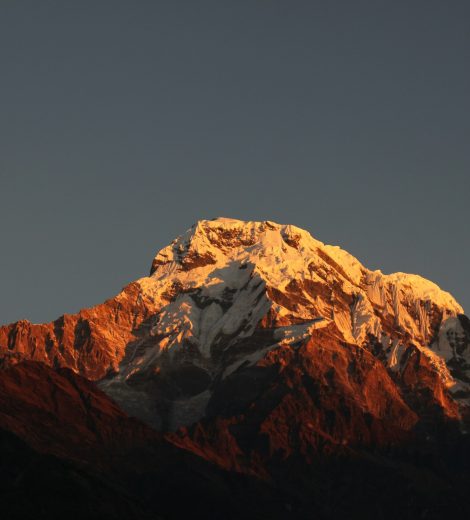
Everest Region
The Khumbu, home of the Sherpa people and the world’s highest mountain, offers lodge-to-lodge trekking past monasteries, suspension bridges and some of the great peaks of the Himalaya.
The Everest region, known locally as the Khumbu, lies in northeastern Nepal on the border with Tibet. An Everest region trek follows old trading paths between Sherpa villages, monasteries and summer pastures, with the highest mountains on earth rising on every side. Most of the area falls within Sagarmatha National Park, a UNESCO World Heritage Site named after the Nepali word for Everest.
You do not need to be a mountaineer to enjoy it. The famous Everest Base Camp trek is a long but non-technical walk, and there are shorter lodge-to-lodge routes for those with less time. Nights are spent in teahouses, simple family-run lodges with shared dining rooms warmed by a stove.
What to see in the Everest region
Lukla and the flight in
Almost every trek begins with a short flight from Kathmandu to Lukla, a mountain airstrip set on a steep slope. The flight takes about half an hour and offers huge views of the Himalaya. Flights depend on the weather in the mountains and are often delayed or cancelled when cloud comes in, so it is wise to keep a spare day or two at the end of your trip. At busy times, some flights leave from Ramechhap, a few hours’ drive from Kathmandu; we confirm the arrangements when we book.
Namche Bazaar
Namche Bazaar, at around 3,400 metres, is the main village of the Khumbu, built in a horseshoe of terraces above a deep valley. It has lodges, bakeries, shops selling trekking gear and a weekly market. Most trekkers spend two nights here to acclimatise, taking a short hike above the village for their first views of Everest and Ama Dablam, or visiting the nearby Sherpa villages of Khumjung and Khunde.
Tengboche Monastery
Tengboche, at close to 3,900 metres, is the best-known monastery in the Khumbu, sitting on a ridge with Ama Dablam and Everest behind it. Visitors can often watch the monks at prayer. Dress modestly, remove your shoes and hat when entering, and ask before taking photos inside. The monastery hosts the colourful Mani Rimdu festival, usually in October or November, with dates set by the Tibetan lunar calendar.
Everest Base Camp and Kala Patthar
Beyond Tengboche, the trail climbs through Pangboche, Dingboche and Lobuche, past memorials to climbers and into a world of glacier and moraine. Everest Base Camp, at a little over 5,300 metres, sits beside the Khumbu Glacier at the foot of the icefall. The summit of Everest is not visible from Base Camp itself; for the classic view, trekkers climb Kala Patthar, a rocky viewpoint above Gorak Shep, usually at sunrise.
Gokyo and other routes
For a quieter alternative, the Gokyo valley leads to a chain of turquoise glacial lakes and the viewpoint of Gokyo Ri, with views across to Everest and Cho Oyu. Experienced trekkers can link Gokyo and Base Camp over a high pass. Shorter options, such as Lukla to Namche and Tengboche, give a real taste of the Khumbu in about a week.
Sherpa culture in the Khumbu
The Sherpa people settled in the Khumbu centuries ago, and Buddhist culture shapes daily life here. You will pass mani walls carved with prayers, stupas and prayer wheels; walk to the left of them, clockwise, as local people do. Many lodges are run by Sherpa families, and an evening by the stove is a chance to learn about life in the mountains.
Altitude and acclimatisation
Altitude is the most important thing to plan for on any Everest region trek. Above about 3,000 metres the air holds noticeably less oxygen, and the body needs time to adjust. Good itineraries climb slowly, include rest days at places such as Namche and Dingboche, and follow the rule of walking high and sleeping lower where possible. Drink plenty of water, avoid alcohol at height and tell your guide about any symptoms. Anyone with health concerns should talk to a doctor before travelling, and your insurance should cover high-altitude trekking and evacuation.
Best time to visit the Everest region
The best time to visit the Everest region is in the two main trekking seasons, autumn and spring. Weather in the high mountains can change quickly in any month.
| Months | What to expect | Best for |
|---|---|---|
| October and November | Clear, settled weather after the monsoon; cold nights at altitude | Mountain views and the Everest Base Camp trek |
| December to February | Cold, often clear; snow possible higher up; quieter trails | Lower treks and scenic flights for hardy travellers |
| March to May | Warmer days, some afternoon haze or cloud; rhododendrons in flower lower down | Trekking to Base Camp and Gokyo |
How long to stay and how it fits a Nepal trip
Allow about twelve to fourteen days from Lukla for the Everest Base Camp trek, plus a few days in Kathmandu before and after. Add one or two spare days for flight delays. A shorter trek to Namche and Tengboche takes about a week, and a scenic flight from Kathmandu needs just a morning.
After the trek, many travellers like to rest somewhere gentler. Pokhara, a short flight or a day’s drive from Kathmandu, has lakeside cafés and easy walks, while Chitwan National Park offers wildlife in the warm lowlands. With more time, it is also possible to continue to Bhutan on a flight from Kathmandu.
Tips for trekking in the Everest region
- Train beforehand: regular hill walking makes long days on the trail more enjoyable.
- Pack in layers: days can be warm in the sun and nights well below freezing.
- Walk with a licensed guide: they know the route, watch for altitude symptoms and help with local customs.
- Keep spare days: mountain weather can hold up Lukla flights in any season.
- Respect local customs: pass religious sites clockwise and ask before photographing people.
Share your dates and walking experience on our plan your trip page, and a specialist will plan a tailor-made Everest trek at a pace that suits you.
Highlights
- The mountain flight into Lukla, with the Himalaya filling the window
- Namche Bazaar, the Sherpa trading village on a horseshoe-shaped slope
- Views of Everest, Lhotse and Ama Dablam from the trail above Namche
- Tengboche Monastery, framed by snow peaks
- Swaying suspension bridges strung with prayer flags
- Trekking to Everest Base Camp at the foot of the Khumbu Icefall
- Sunrise over Everest from Kala Patthar
- Shorter lodge-to-lodge walks or a scenic flight for less time
When to go & practical information
Best months: March, April, May, October, November
Recommended stay: About 12–14 days for Base Camp; about a week for a shorter trek
2 journeys in Everest Region

Plan your trip to Everest Region
Tell us when you would like to go and what draws you to Everest Region. We will suggest a route that fits.
Plan My TripFAQs about Everest Region
Have more questions? Contact us.
The main trekking seasons are October and November, with clear skies after the monsoon, and March to May, when the weather warms and rhododendrons flower lower down. December to February is cold but often clear, and trails are quieter. The monsoon, from about June to September, brings cloud and rain that can hide the views and delay flights.
Most itineraries take about twelve to fourteen days from Lukla and back, including rest days for acclimatisation. You also need time in Kathmandu before and after, plus spare days in case flights are delayed. Shorter treks to Namche Bazaar and Tengboche take about a week.
You do not need climbing experience, but you should be comfortable walking for five to seven hours a day on uneven, hilly paths. Regular walking and hill training before you go make the trek far more enjoyable. Altitude affects people in different ways regardless of fitness, so a gradual pace matters most.
Climb slowly, build in rest days, drink plenty of water and tell your guide about any symptoms such as headache, nausea or dizziness. If symptoms get worse, the right response is to descend. Speak to a doctor before travelling, and make sure your travel insurance covers trekking at high altitude and helicopter evacuation.
Yes, trekkers need permits to enter Sagarmatha National Park and the local area. The rules for permits and guides in Nepal change from time to time, so we confirm the current requirements and arrange the paperwork when we book your trek.
Yes. Scenic mountain flights from Kathmandu fly along the Himalaya on clear mornings, giving close views of Everest and its neighbours in about an hour. Another option is a short stay around Lukla and Namche Bazaar, walking just a few days in the lower Khumbu.