Galle
Galle’s walled old town sits on a headland on Sri Lanka’s south coast, a mix of ramparts, colonial streets and sea views close to some of the island’s best beaches.
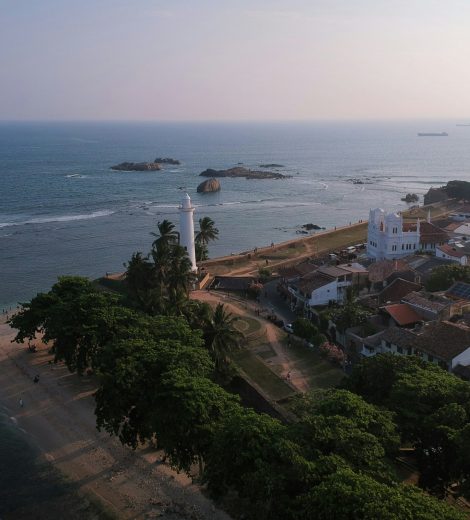
Galle is the main town on the south coast of Sri Lanka, and its walled old town is one of the most atmospheric places on the island. If you are looking for things to do in Galle, start with the fort: a headland enclosed by thick ramparts, with quiet streets of colonial houses, churches, a mosque and a lighthouse. UNESCO lists it as the Old Town of Galle and its Fortifications, and it makes an easy base for the beaches of the south coast.
What to see and do in Galle
The Portuguese built the first defences here in the 16th century, and the Dutch rebuilt and extended them in the 17th century, giving the fort much of the shape it has today. The British later added their own buildings. Inside the walls, the old town is still a living neighbourhood, and it is small enough to explore entirely on foot.
The ramparts
The best way to understand Galle is to walk along the ramparts, which run almost all the way around the fort. On one side you see the sea crashing against the rocks; on the other, red roofs, church towers and palm trees. The walk is especially pleasant in the late afternoon, when local families come out, children play cricket on the grass and the sun sets over the ocean.
The lighthouse and the bastions
At the southern tip of the fort, a white lighthouse stands above the sea and is the town’s best-known landmark. Nearby, a white-painted mosque reflects the Muslim community that has long lived inside the walls. Walk on to the bastions, which carry names from the Dutch period, and the old gate, still marked with a coat of arms above the entrance.
The old town streets
The grid of narrow streets inside the fort is lined with low colonial houses, many with verandas and shuttered windows. Look out for the Dutch Reformed Church, the Anglican All Saints’ Church, old warehouses near the harbour gate and the clock tower near the main gate. Many houses now hold small galleries, craft shops and cafés, and you can easily spend a few hours wandering. Some buildings are museums, where you can learn about the town’s maritime past.
South-coast beaches
East of Galle, the coast road passes a string of bays and beaches. Unawatuna is close to town, with a sheltered bay and plenty of places to eat. Further along, Weligama has a long beach where many people learn to surf, and Mirissa is known for its curving bay and relaxed atmosphere. North of Galle, Hikkaduwa has coral close to the shore. Sea conditions vary, so swim only where locals say it is safe.
Whales, fishing villages and tea
Off Mirissa, the deep water lies close to the shore, and from roughly November to April boat trips go out to look for whales, including blue whales, and dolphins. Sightings depend on luck and sea conditions, and the trips start early and can be choppy, so they are not for everyone. We choose responsible boat trips that keep their distance from the animals.
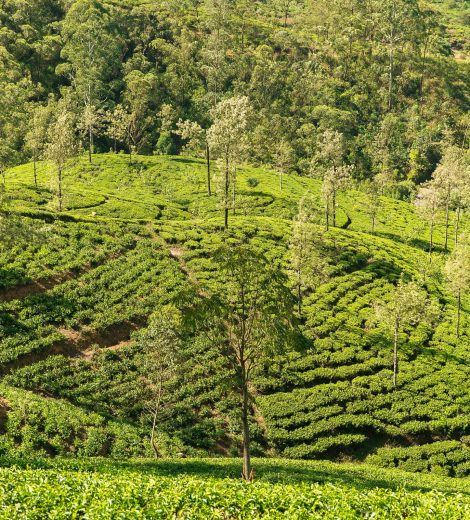
Along the coast road, you may see stilt fishermen perched on poles in the shallows, a traditional way of fishing that is now more often a sight for visitors. Inland, the low hills behind the coast are covered in tea, cinnamon and rubber, and a visit to a small tea estate is a good half-day outing away from the beach.
Best time to visit Galle
The south coast is warm all year, and the weather depends on Sri Lanka’s two monsoons. The southwest monsoon, roughly from May to September, brings rain, wind and rough seas to the west and south coasts, including Galle. The northeast monsoon, roughly from November to February, mainly affects the east coast, so this is when the south coast is at its best. If you travel in mid-year, you can still enjoy the fort, but for beaches the east coast is often the better choice.
| Months | What to expect | Best for |
|---|---|---|
| December to April | Sunny, dry and hot, with calmer seas | Beaches, swimming, whale watching off Mirissa and the fort |
| May to September | Southwest monsoon: showers, wind and rough seas | The fort and old town, surfing for experienced surfers, fewer visitors |
| October and November | Changeable, with heavy showers possible | Exploring the fort between showers; beach weather improves towards December |
How long to stay and how it fits a trip
One or two nights in Galle Fort gives you time for the ramparts and the old town. Most people then spend a few more nights at a beach nearby, so the south coast often becomes the relaxing end of a trip.
Galle is about two hours from Colombo on the expressway, and the airport is about two and a half hours away, which makes it easy to finish your trip here and drive to your flight. From the hill country, the road from Ella takes about four to five hours. A two-week loop might combine the Cultural Triangle, Kandy, the train to Ella and a few days on the south coast. You can also fly on from Colombo to Malé for a few days in the Maldives.
Tips for visiting Galle
- Walk the walls late: the ramparts are hot at midday but lovely at sunset.
- Dress respectfully: beachwear is for the beach; cover up a little when walking around the old town and visiting places of worship.
- Watch the sea: currents can be strong, especially during the southwest monsoon, so follow local advice about where to swim.
- Stay inside the fort: at least one night lets you enjoy the old town when the day visitors have left.
Share your dates and ideas on our plan your trip page, and we will help you plan your time on the south coast.
Highlights
- A sunset walk along the ramparts of Galle Fort
- The white lighthouse standing over the sea at the edge of the fort
- Quiet colonial streets of old houses, churches and a mosque
- Craft shops, galleries and cafés inside the old walls
- Golden beaches and calm bays along the south coast
- Seasonal whale watching off Mirissa, with no guarantees
- Stilt fishermen and fishing harbours along the coast road
- A slow tea estate visit in the hills behind the coast
When to go & practical information
Best months: December, January, February, March, April
Recommended stay: 1–2 nights in the fort, plus a few beach days nearby


Plan your trip to Galle
Tell us when you would like to go and what draws you to Galle. We will suggest a route that fits.
Plan My TripFAQs about Galle
Have more questions? Contact us.
The best time is usually from December to April, when the south coast is sunny and the sea is calmer. The southwest monsoon brings rain and rough seas from roughly May to September. Galle Fort itself is enjoyable in any month, as showers often pass quickly.
One or two nights is enough to explore the fort. Most travellers stay longer on the coast, with three to five nights split between Galle and a beach nearby. That gives you time for the ramparts, the beaches and a whale-watching trip in season.
Whale-watching trips leave from Mirissa, about an hour along the coast, mainly between roughly November and April. Blue whales and other species are often seen, but sightings depend on luck and conditions, and the sea can be rough. Choose a responsible trip that keeps a good distance from the animals.
The expressway takes about two hours by car from Colombo. The coastal railway is slower but runs beside the sea for long stretches. We usually arrange a private transfer so you can stop along the way.
Yes. The Old Town of Galle and its Fortifications is listed by UNESCO as an example of a fortified city built by Europeans in South and Southeast Asia. The walls date mainly from the Dutch period, built over earlier Portuguese defences, and people still live and work inside them.
Unawatuna is just a few minutes east of the fort, and further along the coast you reach quieter bays and surf spots towards Weligama and Mirissa. Sea conditions change with the season, so check with your hotel or guide before swimming. Avoid swimming where there are warning flags or strong currents.