
Malé
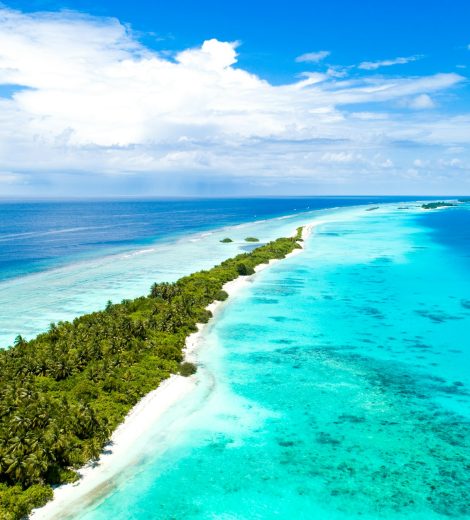
Malé is the small, busy capital island of the Maldives and the gateway to its atolls, with a historic coral-stone mosque, markets and a real sense of local life.
Malé is the capital of the Maldives, a small, densely built island where most of the country’s government, trade and city life is packed into a very small space. Most visitors only pass through on their way to a resort, but this Malé travel guide shows why a few hours here are worthwhile. You will find a historic coral-stone mosque, markets full of fish and fruit, quiet parks and a real sense of how Maldivians live, away from the resort islands.
Things to do in Malé
Malé is small enough to explore on foot in half a day, although the narrow streets are busy with scooters. A local guide helps you understand the city’s history and its customs, and can time your visit around prayer times.
Old Friday Mosque (Hukuru Miskiy)
The Old Friday Mosque is the most important historic building in the Maldives. It was built in the 17th century from blocks of coral stone, carved with fine patterns and Arabic inscriptions, and its interior is decorated with lacquered and carved wood. Around it lies a graveyard of carved coral headstones, and nearby stands a minaret from the same era. The mosque is still used for prayer, so visits by non-Muslims depend on local rules and timing. Dress modestly, covering your shoulders and knees.
The fish market and local market
On the waterfront, the fish market is at its liveliest when the boats bring in the catch, especially tuna, which is central to Maldivian food. Nearby, the local market sells fruit, vegetables, dried fish, snacks and betel leaves, much of it brought in from other islands. It is a good place to see everyday life and to try local snacks with your guide.
Sultan Park and the National Museum
Sultan Park is a small, shady garden on the grounds where the royal palace once stood. Inside it, the National Museum displays objects from the time of the sultans, including thrones, costumes and coral-stone carvings from the islands’ Buddhist past, before Islam arrived in the 12th century.
The Grand Friday Mosque and the waterfront
The Grand Friday Mosque, with its golden dome, is a landmark on the city skyline. Walking along the waterfront, you will pass ferry terminals, small boats called dhonis and the main square. There is a small artificial beach on the eastern side where local families swim in the evening.
Gateway to the islands
The international airport is on its own island next to Malé, connected to the city by a bridge. From there, transfers fan out across the atolls. Islands close to Malé are reached by speedboat, often in under an hour. Further atolls are reached by seaplane, a short flight with views of reefs and lagoons, or by a domestic flight followed by a boat. Seaplanes fly only in daylight, so if your international flight arrives in the evening, you may need a night near the airport before you continue.
You can stay at a resort, where one island is given over to a single hotel, or on a local island, where you stay in a guesthouse among Maldivian families. Local islands are often simpler and give you more contact with daily life. The Maldives is a Muslim country, and on local islands visitors are expected to dress modestly away from designated beaches, and alcohol is generally not available. These rules change from time to time, so we confirm the current ones when we book. Friday is the main day of prayer, and many businesses close for part of the day.
Snorkelling, diving, boat trips and simply relaxing on the beach fill most days. Marine life such as turtles, manta rays and reef sharks is often seen, but sightings depend on luck and season.
Best time to visit Malé
The Maldives lie close to the equator, so it is warm all year. Instead of summer and winter, there are two monsoon seasons. The northeast monsoon, roughly from December to April, usually brings the driest, sunniest weather and calm seas. The southwest monsoon, roughly from May to November, brings more wind, cloud and rain showers, although there are often days of sunshine and the seas around the atolls stay warm.
| Months | What to expect | Best for |
|---|---|---|
| December to April | Dry season: sunny, calm seas and clear water | Beach holidays, snorkelling, diving and island-hopping |
| May to August | Southwest monsoon: more wind, cloud and short heavy showers | Fewer visitors; surfing for experienced surfers |
| September to November | Changeable, gradually becoming drier towards the end of the year | Diving and relaxing; keep plans flexible |
How long to stay and how it fits a trip
Half a day in Malé covers the main sights, and many travellers see the city on the day they arrive or leave. On the islands, four to seven nights is a good length for a relaxing break.
The Maldives make a natural add-on to a trip in Sri Lanka or southern India. The flight from Colombo to Malé takes about an hour and a half, so a classic plan is two weeks touring Sri Lanka followed by a few days on an island. From India, there are direct flights from several cities, although routes and timings change with the season. After a busy tour of Kerala’s backwaters or the forts of Rajasthan, the islands are an easy place to rest. For a trip in Sri Lanka, the south coast and Galle pair well with the islands too, as both are at their best from December to April.
Tips for visiting Malé
- Dress modestly in the city: cover your shoulders and knees, especially when visiting mosques.
- Plan around prayer times: shops and sights may close briefly during prayers.
- Check your transfer time: seaplanes fly only by day, so match your flights to your island transfer.
- Respect local customs: during Ramadan, avoid eating or drinking in public during daylight hours.
Tell us your dates and how you like to travel on our plan your trip page, and we will plan your island days around the rest of your trip.
Highlights
- The carved coral stone of the Old Friday Mosque, Hukuru Miskiy
- The morning catch at the Malé fish market
- Fruit, vegetables and local produce at the market by the harbour
- A quiet break in Sultan Park, on the site of the old royal palace
- The golden dome of the Grand Friday Mosque above the city
- Harbour life, ferries and dhonis along the waterfront
- A seaplane flight over the atolls by day
- Adding a few island days to a trip in Sri Lanka or India
When to go & practical information
Best months: December, January, February, March, April
Recommended stay: Half a day, or 1 night between flights and island transfers


Plan your trip to Malé
Tell us when you would like to go and what draws you to Malé. We will suggest a route that fits.
Plan My TripFAQs about Malé
Have more questions? Contact us.
The driest, sunniest months are usually December to April, during the northeast monsoon. From roughly May to November, the southwest monsoon brings more wind, cloud and showers, though there are often long spells of sun too. The sea stays warm all year.
Half a day is enough to see the main sights of the capital, and many travellers only pass through on the way to an island. If your flight arrives late or leaves early, a night near the airport makes sense. Most people spend four to seven nights on a resort or local island.
It depends on where you are staying. Islands close to Malé are reached by speedboat, while more distant atolls are reached by seaplane or by a domestic flight followed by a boat. Seaplanes fly only in daylight, so late arrivals may need a night near the airport first. We arrange the transfers to match your flights.
The Maldives is a Muslim country, and on local islands visitors are expected to dress modestly away from designated beaches, and alcohol is generally not available. Resorts follow their own rules. These rules can change, so we confirm the current ones when we book your stay.
Yes, and it is a popular way to end a trip. The flight from Colombo to Malé takes about an hour and a half, and there are direct flights from several cities in India, though routes change with the season. A few days on the islands is a relaxing finish after a busy tour.
The Old Friday Mosque is still a place of worship, and visits by non-Muslims depend on local rules and prayer times. Dress modestly, covering your shoulders and knees, and follow your guide’s advice. Even from outside, the coral-stone walls and the graveyard are worth seeing.